
These Are Your Tools

I have often caught myself wondering if our legendary old philosophers spoke like they do in their books and manuals.
Can you imagine it? Seneca talking amongst his dinner friends, passing between each other all the delicacies of the Roman Empire: a sickening amount of Garum (fermented fish sauce), Dormice, roasted parrot, milk-fed snails, and rabbit fetuses.
Sounds barbaric, so can you really envision a man in between sips of wine and bites of parrot saying “Sometimes even to live is an act of courage”?
Maybe. Some people are just weird like that. They speak in platitudes and don’t use the same colloquialisms or phrases that us common folk do. But I reckon that the truth is far more believable.
You see, such people are human at their core. Humans like simplicity and routine. Years of rituals and invention have made this glaringly obvious. Our inventions that we make often are for the purpose of easing life’s burdens and simplifying our duties.
And so, I find it difficult to imagine Seneca speaking this way in a casual conversation. The same for Marcus, who probably did not greet his friends with the “You have power over your mind— not outside events.” Maybe one of his philosophy instructors, but doubtfully not one of his political employees.
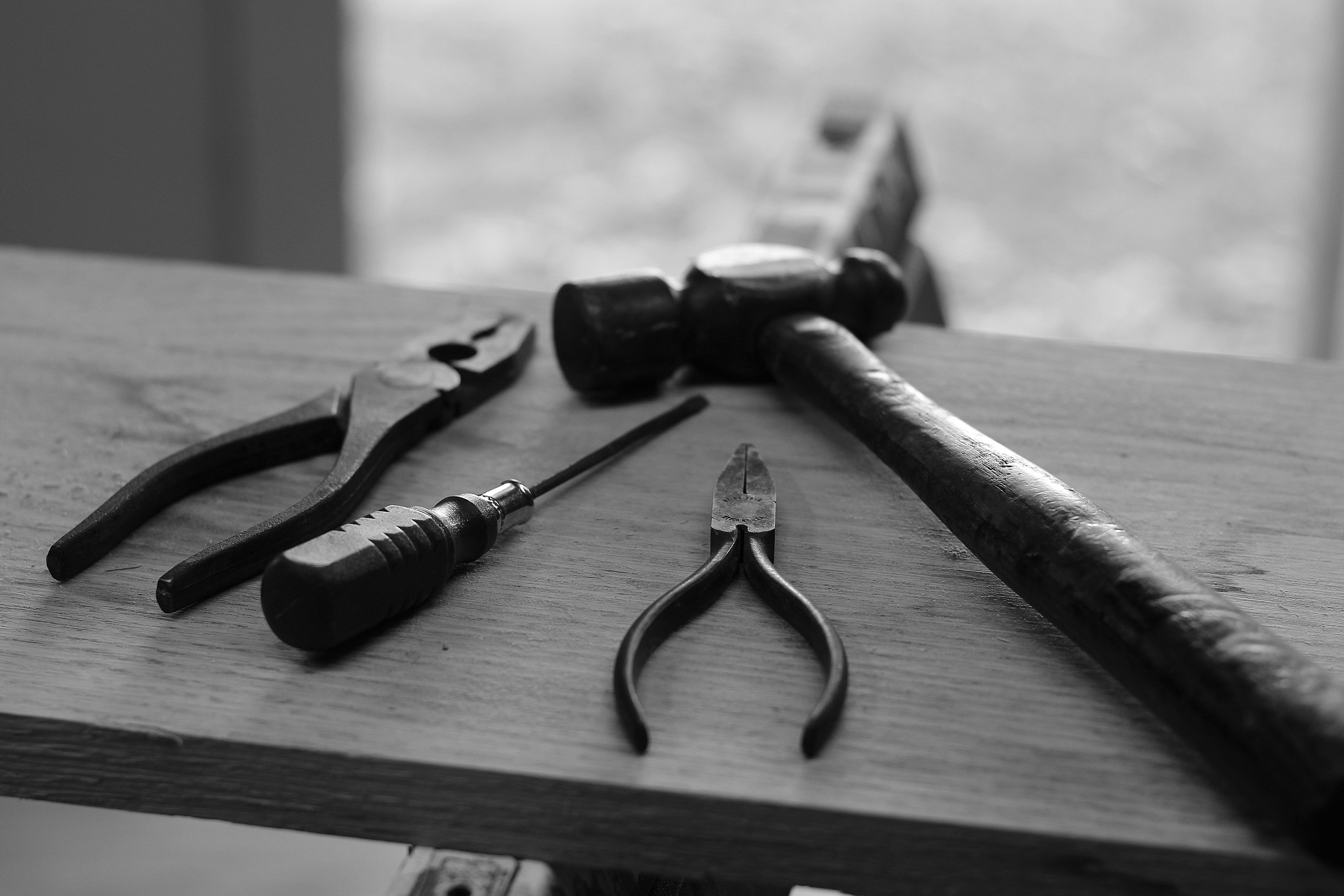
Reality has deemed these wise sayings and quotes as tools in our toolbox. If you prefer another analogy, they are prescribed medicines for illnesses. It would be unrealistic to expect us to be passively thinking at all times: “It is impossible for a man to learn what he thinks he already knows” to quote Epictetus.
But like a tool, the more we use it, the more familiar and masterful we are with that tool. The first time handling a wrench, likely when we were young, was likely awkward and strange. Or we missed hammering our first nail and had the misfortune of slamming it into our finger instead.
The crude handling of a tool becomes more seamless and graceful with frequency. And so, these platitudes— while not our default response in a conversation— can become our default, passive mindset. This would be the equivalent of knowing which part of the toolbox to enter and search when we are presented a problem, resulting in us fixing the issue sooner.
Philosophy and wisdom is not an academic pursuit at its core. It is a lifestyle of action, doing, and fixing problems— be it our own or the problems of others.
Philosophy— real philosophy— is a life of labor and loving that labor.
Until next time,
Eli